

Easy training
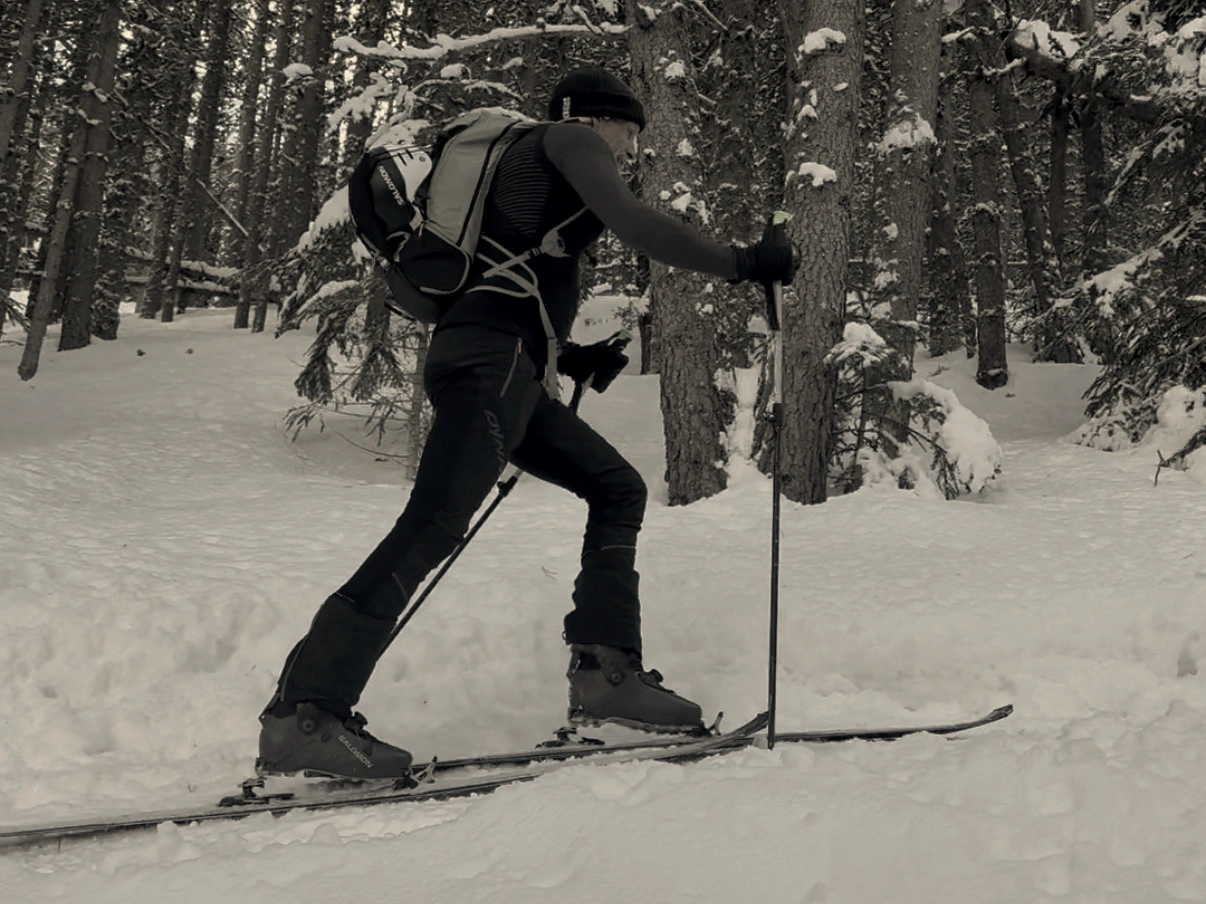
What it is: relaxed sessions at an effort where you could hold a conversation. For runners that is easy running, often hiking the steep climbs. For skimo athletes it is easy skinning on snow, and easy running or hiking in the dry season.
What it develops: aerobic fitness, the base every other session builds on. It adds training time without the recovery cost of hard sessions.
How it fits: in most endurance programmes, low-intensity training makes up the large majority of training time. A common mistake is doing easy days too hard, which leaves less energy for the sessions that are meant to be hard.

Long days
What they are: the longest session of the week, usually at the same easy effort as other easy training. A long run or long tour is defined by its duration, not by a separate intensity zone.
What they develop: endurance and durability, meaning how well you hold your pace and efficiency after hours of work. They are also the best place to practise eating and drinking, and to test gear and clothing.
How they fit: length depends on your experience, recent training and the race. In the mountains, time on your feet or skis and vertical gain usually matter more than distance.
Strides (running)
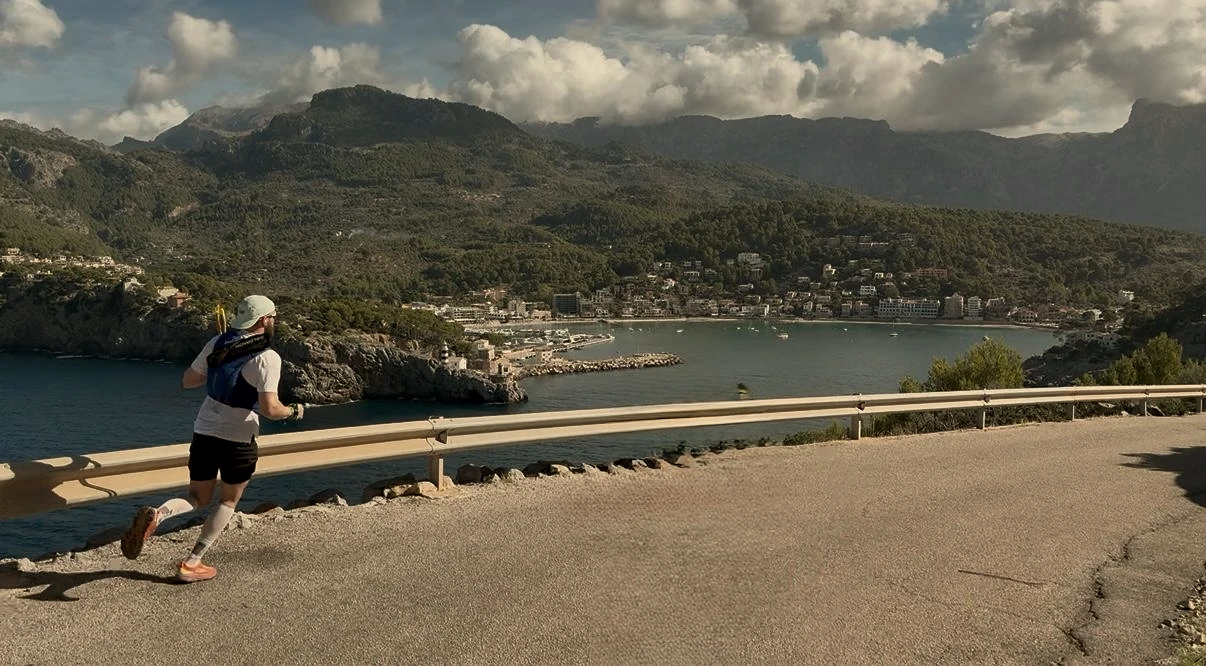
What they are: short, relaxed accelerations up to a fast but controlled running pace, often 15–30 seconds each, with easy jogging or walking between. They are not all-out sprints.
What they develop: coordination, leg turnover and smooth running form at speed. They are commonly used to support running economy without adding much fatigue.
How they fit: they are usually added within or at the end of an easy run, rather than done as a session of their own.
For skimo: strides are a running drill. Skiers looking for a similar light, fast stimulus often use short, relaxed pickups while skinning on gentle terrain, or ski striding (long, bounding uphill strides with poles) in the dry season. These are coaching practices rather than well-studied methods.

Hill sprints and hill bounding
What they are: very short, near-maximal efforts up a steep hill, often 8–10 seconds each, with full recovery between them, often 2–3 minutes of walking or standing. Skiers often do the same efforts as hill bounding with poles, using long, explosive strides.
What they develop: uphill power and the recruitment of fast-twitch muscle fibres. The aim is quality, so each repetition should be as powerful as the first.
How they fit: short rests make it harder to repeat the same power and change the purpose of the session, so the rest is part of the workout. Build up gradually: these efforts are intense for the legs and tendons.

Muscular endurance (ME)
What it is: training that asks the leg muscles to keep repeating the force a climb requires, so that the legs, not the breathing, are the limit. It is usually done as steep uphill work carrying extra weight, or as a structured gym workout. The same methods serve runners and skiers.
What it develops: fatigue resistance in the muscles that climb and absorb descents, which helps you keep moving well late in a long mountain day.
How it fits: ME is usually developed in a planned block. Its timing depends on your sport, goal and recovery. ME is tiring for the legs for a few days, so it is usually spaced away from the long day and other hard sessions. One session per week is a common starting point; increase frequency only when the programme and your recovery support it.
Other training methods
Threshold or tempo: sustained, comfortably hard efforts, often as continuous sessions or longer intervals, that help you hold a faster pace for longer, uphill or on the flat.
VO₂max intervals: hard intervals of a few minutes that challenge your maximum aerobic capacity. They are demanding and usually a small part of training.
Downhill preparation for runners: gradually building downhill technique and tolerance, starting with manageable descents, so the legs are ready for the eccentric load of long mountain descents.
Downhill preparation for skiers: building ski technique on terrain within your ability, and gradually practising descents on tired legs, because skiing down after a long climb is a different demand from fresh skiing.
Questions and answers
Fundamentals
What are the five main training types for trail running, mountain running and skimo?
A practical way to group mountain endurance training is easy training, long days, strides, hill sprints and muscular endurance (ME). Easy training and long days build the aerobic base and endurance, strides and hill sprints keep speed and power, and ME builds leg fatigue resistance. Strides are a running drill; skiers use ski-specific alternatives. Many programmes also use threshold, VO₂max and downhill sessions.
What is the difference between easy runs and long runs?
Both are usually done at an easy, conversational effort. The difference is duration and purpose: an easy run or easy ski session builds aerobic fitness and fits around recovery, while the long run or long tour is the week's longest session and adds endurance, durability and practice with fuelling and gear.
What is the difference between strides and hill sprints?
Strides are fast but relaxed running accelerations, often 15–30 seconds on flat or gentle ground, focused on form and turnover. Hill sprints are near-maximal efforts of about 8–10 seconds up a steep hill, focused on power, with full recovery between them. Skiers often do the hill-sprint efforts as hill bounding with poles.
What is muscular endurance training for mountain athletes?
Muscular endurance (ME) training builds the legs' ability to keep repeating the force a climb requires over a long effort. Runners and skiers usually do it as steep uphill work carrying extra weight, or as a structured gym workout. It targets fatigue in the legs rather than the heart and lungs.
How is muscular endurance different from strength training?
Maximum-strength training develops how much force you can produce. Muscular-endurance training develops how long you can repeat the required force. Both build on general strength, and mountain athletes usually need some of each.
How are hill sprints different from muscular endurance?
Hill sprints are very short, near-maximal efforts with full recovery, so each one trains power. ME work is longer and is meant to build fatigue in the legs on purpose. They create different muscular stimuli. Short rests make it harder to repeat the same power and change the purpose of a hill-sprint session.
Why do ultra runners need speed and power training?
Ultras are run mostly at low intensity, but small doses of speed and power help keep running form, economy and the ability to push on steep ground. Strength and power work has been linked to better running economy and performance in endurance runners, although the certainty of that evidence is limited.
Practical application
How many easy runs should I do per week?
There is no universal number. Easy training usually makes up most of the weekly training time, so it fills the days around the long day and any harder sessions. How many days that is depends on your experience, time available and recovery.
How often should trail runners do a long run?
Many runners do one long run a week, but it can be less often for beginners, during recovery weeks or close to a race. The right length and frequency depend on your race, your experience and how well you recover. The same applies to long tours for skimo athletes.
How many strides should I do?
A common example is 4–8 strides of 15–30 seconds, with easy jogging or walking between them. Start with fewer and stop while they still feel smooth and relaxed. This is an example, not a prescription.
How long should hill sprints last?
Hill sprints are usually about 8–10 seconds each. Keeping them short keeps the effort near-maximal and focused on power rather than endurance. Hill bounding for skiers uses similar durations.
How much recovery is needed between hill sprints?
Full recovery, often 2–3 minutes of walking back down or standing. If the next repetition is slower or less powerful, the rest was probably too short. Short rests make it harder to repeat the same power and change the purpose of the session.
How often should mountain athletes train muscular endurance?
One session per week is a common starting point. Increase frequency only when the programme and your recovery support it. ME is usually developed in a planned block, and its timing depends on your sport, goal and recovery.
Can I combine strides with an easy run?
Yes. Strides are usually done within or at the end of an easy run, once you are warm. That keeps the run easy overall while adding a small amount of fast, relaxed running.
Should I do hill sprints and ME in the same week?
They can appear in the same week when they are spaced apart and the rest of the week is easy, but many plans do not need both every week. How they are sequenced depends on your sport, goal and recovery.
Do ultra runners need tempo or threshold workouts?
Not always, but many benefit from some. Threshold work helps you hold a faster sustainable effort, which can matter on long climbs and runnable sections. How much depends on your race, experience and the rest of your training.
How should training types change during base building, race preparation and tapering?
During base building, easy volume usually dominates, with strides and hill sprints or hill bounding for speed and power. ME is usually developed in a planned block whose timing depends on your sport, goal and recovery. Closer to a race, training usually becomes more specific to its terrain and demands. During the taper, volume is usually reduced while some intensity is kept, so you arrive fresh.
References
- Seiler S. What is best practice for training intensity and duration distribution in endurance athletes? Int J Sports Physiol Perform. 2010;5(3):276–291.
- Maunder E, Seiler S, Mildenhall MJ, Kilding AE, Plews DJ. The importance of ‘durability’ in the physiological profiling of endurance athletes. Sports Med. 2021;51(8):1619–1628.
- Jeukendrup AE. Training the gut for athletes. Sports Med. 2017;47(Suppl 1):101–110.
- Barnes KR, Kilding AE. Strategies to improve running economy. Sports Med. 2015;45(1):37–56.
- Blagrove RC, Howatson G, Hayes PR. Effects of strength training on the physiological determinants of middle- and long-distance running performance: a systematic review. Sports Med. 2018;48(5):1117–1149.
- Llanos-Lagos C, Ramirez-Campillo R, Moran J, Sáez de Villarreal E. The effect of strength training methods on middle- and long-distance runners’ athletic performance: a systematic review with meta-analysis. Sports Med. 2024;54(7):1801–1833.
- Bosquet L, Montpetit J, Arvisais D, Mujika I. Effects of tapering on performance: a meta-analysis. Med Sci Sports Exerc. 2007;39(8):1358–1365.
- Johnston S. Muscular Endurance: All You Need to Know. Evoke Endurance; 2022, updated 2025. Coaching article on ME methods and timing.
- House S, Johnston S, Jornet K. Training for the Uphill Athlete: A Manual for Mountain Runners and Ski Mountaineers. Patagonia Books; 2019. Coaching reference for hill sprints, hill bounding and muscular endurance.